Europe used to know how to build small cars.
Not small premium cars.
Not over-engineered city SUVs.
Not vehicles that try to do everything for everyone.
Just small cars.
Simple.
Light.
Affordable.
Useful.
Designed around real life.
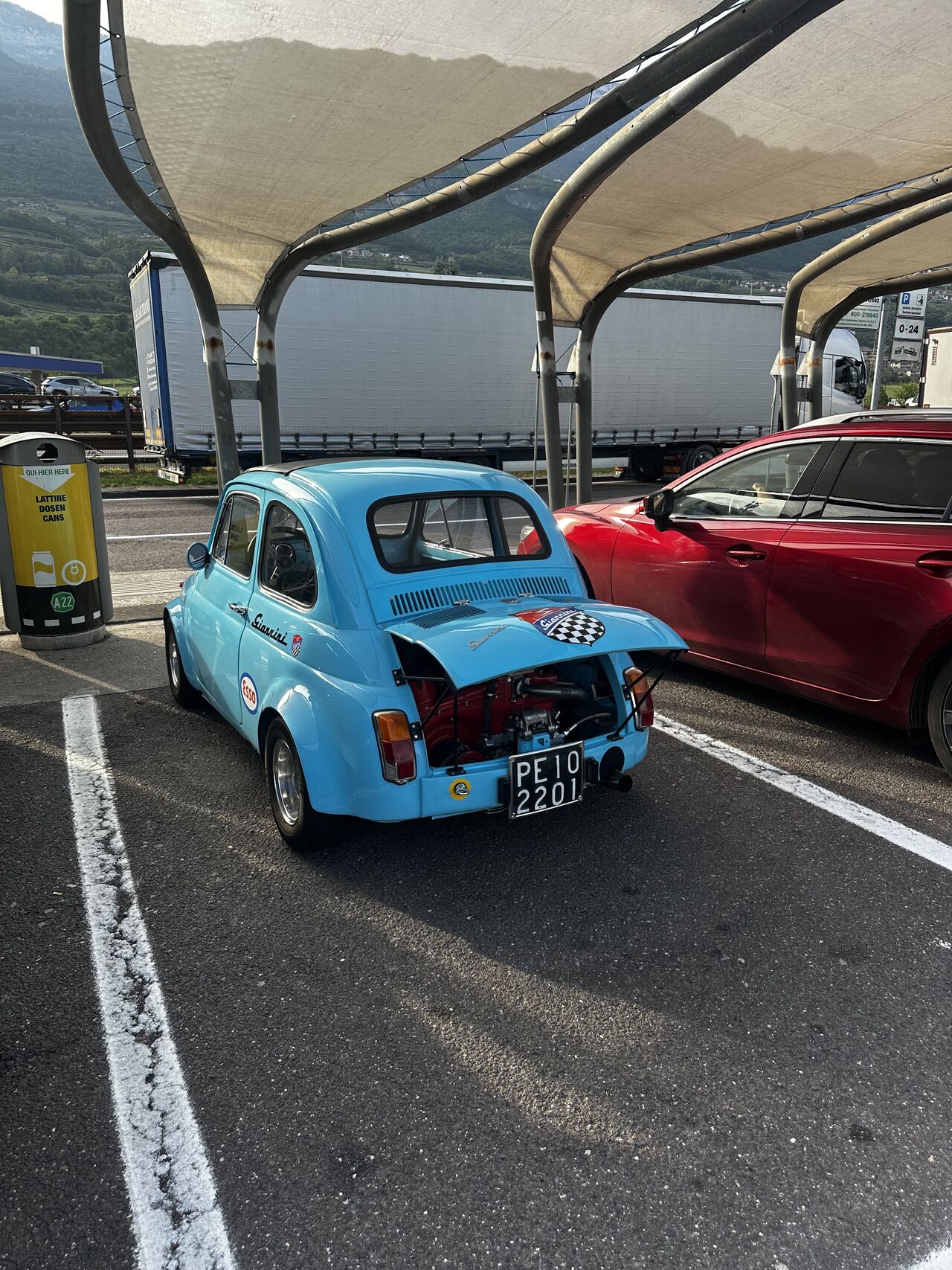
Look at the old Fiat cinquecento logic: limited space, limited power, limited complexity - but a very clear purpose.
It moved people.
And that is what affordable mobility is supposed to do.
Somewhere along the way, Europe seems to have forgotten that discipline.
We added weight.
We added systems.
We added complexity.
We added cost.
Then we acted surprised when small cars became difficult to build profitably.
This is why the current debate around L6, L7 and M1E matters.
It is not just a regulatory discussion.
It is a question of whether Europe can still define a product clearly enough to make it affordable.
A small urban vehicle should not be judged like a motorway car.
It does not need 500 km of range.
It does not need premium acceleration.
It does not need to carry the full cost structure of a larger car.
It needs to solve a daily mobility problem at a price normal people can accept.
That used to be one of Europe’s strengths.
Maybe the real challenge is not inventing a completely new category.
Maybe the challenge is remembering what we once knew:
not every car needs to do everything.
Some cars just need to do the right thing well.
Can Europe rediscover affordable small mobility - or have we regulated and engineered ourselves out of it?