I saw a small L6 vehicle doing something very ordinary.
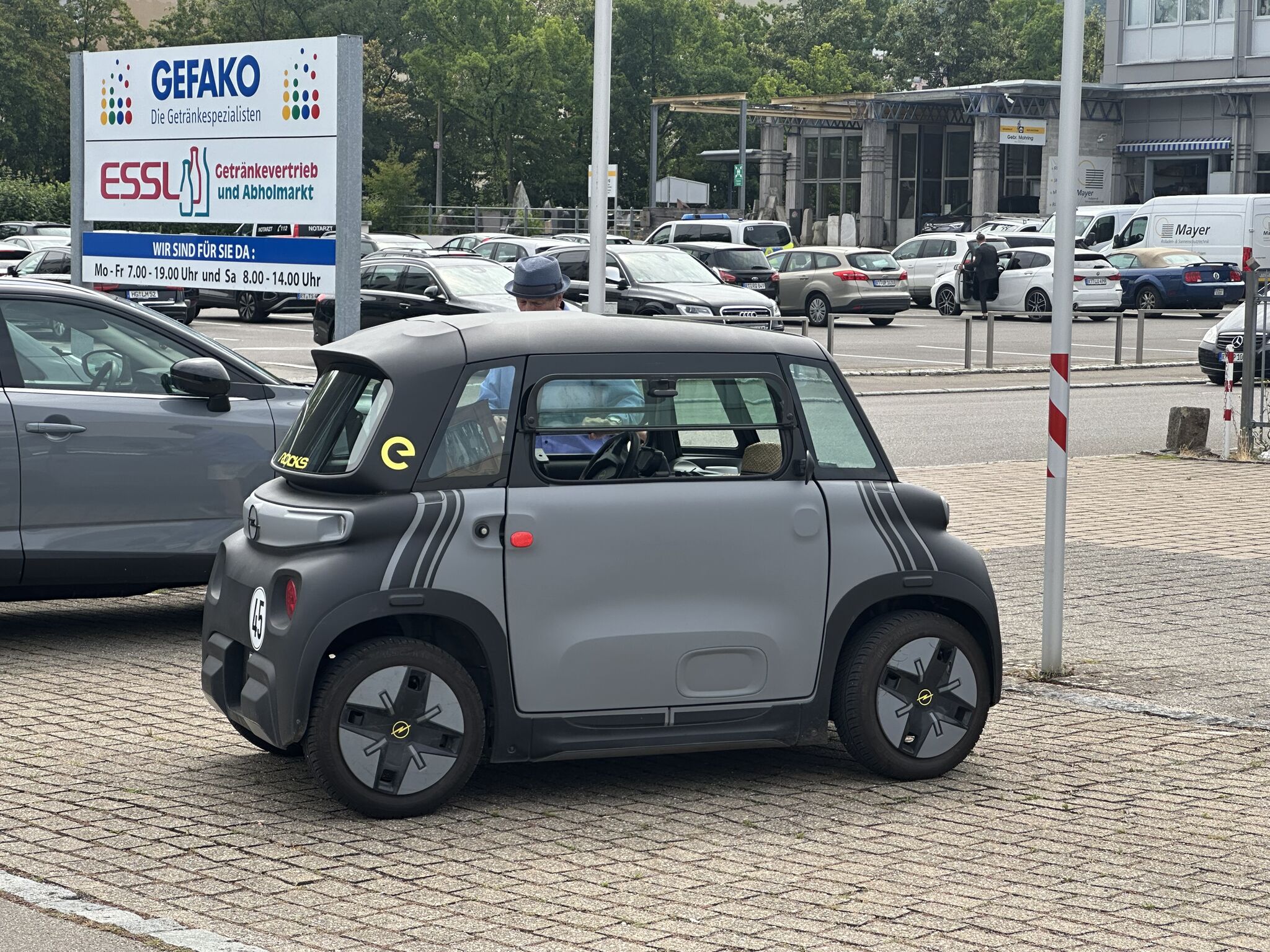
And that is exactly why it was interesting.
It was carrying empty water and beer crates back to a store.
Nothing glamorous. No concept-car theatre. No mobility conference language. Just a small vehicle doing useful work in real life.
That is why I keep coming back to L6, L7 and small urban EVs.
Too many people still look at these vehicles as toys, lifestyle accessories or regulatory oddities. But in cities and villages, a lot of mobility is not about status. It is about errands, deliveries, short trips, local services and small commercial tasks.
For that kind of work, a full-size car is often the wrong tool.
It takes too much space, uses too much material, costs too much to buy, and is overqualified for the job. The same is true for many vans that are used for trips where the load is small and the route is local.
A small electric vehicle can make sense precisely because it does not try to be everything.
It can be cheap to run, easy to park, simple to charge and good enough for a very specific use case.
That phrase - good enough - is important.
European automotive often struggles with it. We like full capability, full compliance, full comfort, full performance and full complexity. But affordability usually starts with the discipline to define what the product does not need to do.
The L6 vehicle with the crates was a small reminder of that.
The future of urban mobility will not only be shaped by premium EVs, robotaxis and large delivery vans.
It will also be shaped by modest vehicles doing modest jobs well.
And Europe should take that seriously.