But what happens if a truck hits it?
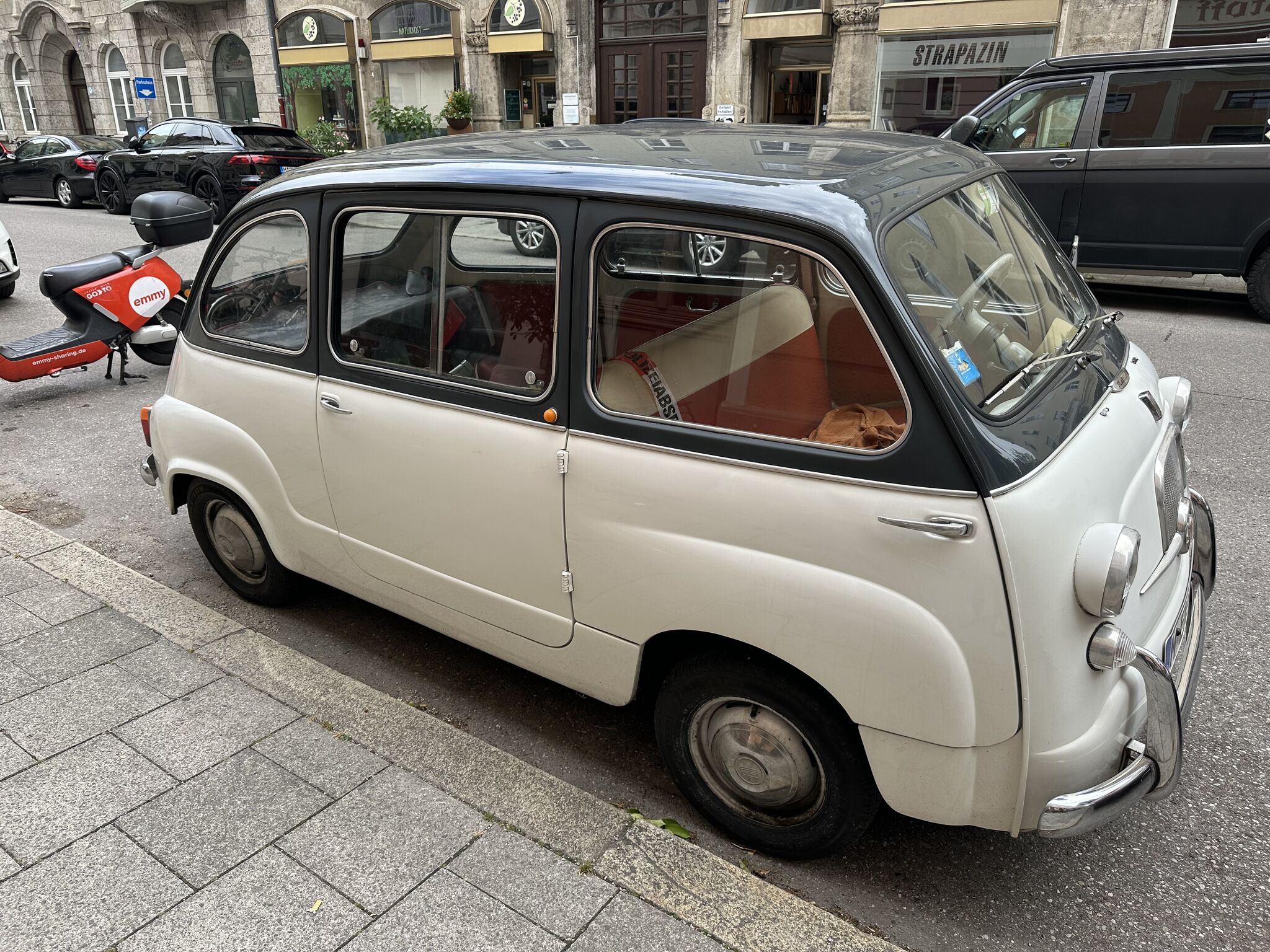
That was one of the most frequent comments after I wrote about small urban vehicles (and I admit the picture here is not a modern version of such a vehicle).
It is a perfectly understandable reaction. Nobody wants to compromise on safety.
At the same time, I think we often ask the wrong question.
If we judged every vehicle by what happens when it is hit by a heavy truck, bicycles would hardly exist. Neither would scooters or motorcycles. We accept different levels of protection because they serve different purposes.
Small urban vehicles deserve exactly the same kind of thinking.
There is no doubt that safety can improve further. Passive safety should continue to develop, and active safety technologies are becoming increasingly affordable. The challenge is finding the right balance - and current small vehicles might not have it yet.
Over the past years Europe has understandably raised safety requirements for passenger cars. But many of those requirements were written for conventional large vehicles and high speed. Applied without distinction to very small urban vehicles, they can make them significantly more expensive without delivering additional benefits.
Even regulators have started to recognise that not every requirement belongs on every vehicle category.
The real objective should not be to turn every small vehicle into a large one.
It should be to make every vehicle as safe as reasonably possible for the task it is designed to perform.
If we get that balance right, small electric vehicles could become one of the safest and most efficient ways of moving people around our cities.
If we get it wrong, we risk regulating an affordable mobility solution out of existence without increasing safety of mobility.