After my post about the autonomous vehicle I experienced in Munich, several people asked whether it was already driving without a safety driver.
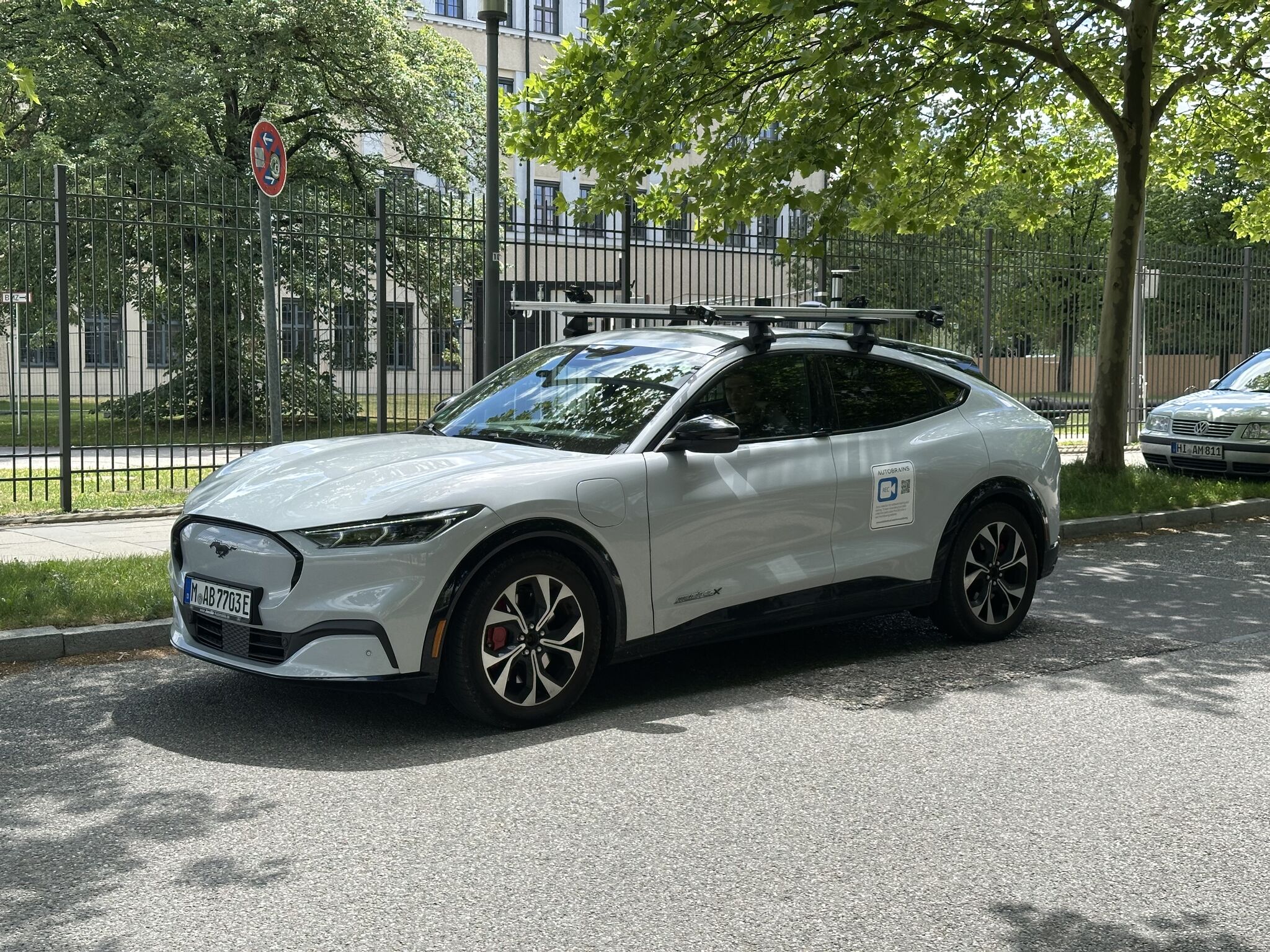
The answer is no.
The vehicle had only been converted about a week earlier and is currently being parameterised. It will continue to learn over the coming days before it could technically operate without a driver. Whether it actually does so is another question, because today the biggest challenges are no longer only technical.
What struck me after the ride was not how close autonomous driving seems. It was how narrow our imagination still is.
Whenever people hear the word "robotaxi", they tend to picture today's taxi without a driver. I suspect the first major applications may be much more interesting than that.
Across Europe, municipalities spend enormous amounts transporting elderly people, injured people and citizens who cannot drive themselves. These journeys are essential, but they are expensive because they depend on dedicated drivers and highly coordinated services.
Autonomous vehicles could change that completely.
They could also allow people to keep their own vehicle for much longer. Imagine owning a car that you drive yourself for years, but that can eventually take you to the doctor, the supermarket or to visit friends once you no longer feel comfortable driving.
After my ride in Munich, I came away thinking less about technology and more about independence.
Perhaps the first real success of robotaxis will not be replacing taxis.
Perhaps it will be helping people keep their freedom for longer.